

 REQUEST FREE CONSULTATION
Urine Catheter Management
Urine catheter management involves providing specialised nursing care to participants with urinary catheters. The goal is to maintain urinary function, prevent infections, and promote the participant’s comfort and dignity while managing catheter-related needs in a home or community setting. This type of support requires skilled nursing interventions, routine assessments, and ongoing education for participants and caregivers.
Our urine catheter management services can be funded through NDIS funding or accessed privately. If you want to learn more about how we can support you, get in touch today to speak with our team or request a free consultation.


Catheter Care and Maintenance
Catheter Insertion and Removal: Performing catheterisation procedures (if within nursing scope) following sterile techniques and participant consent.
Catheter Hygiene: Cleaning the catheter site regularly and ensuring the proper positioning of tubing to prevent blockages and infections.
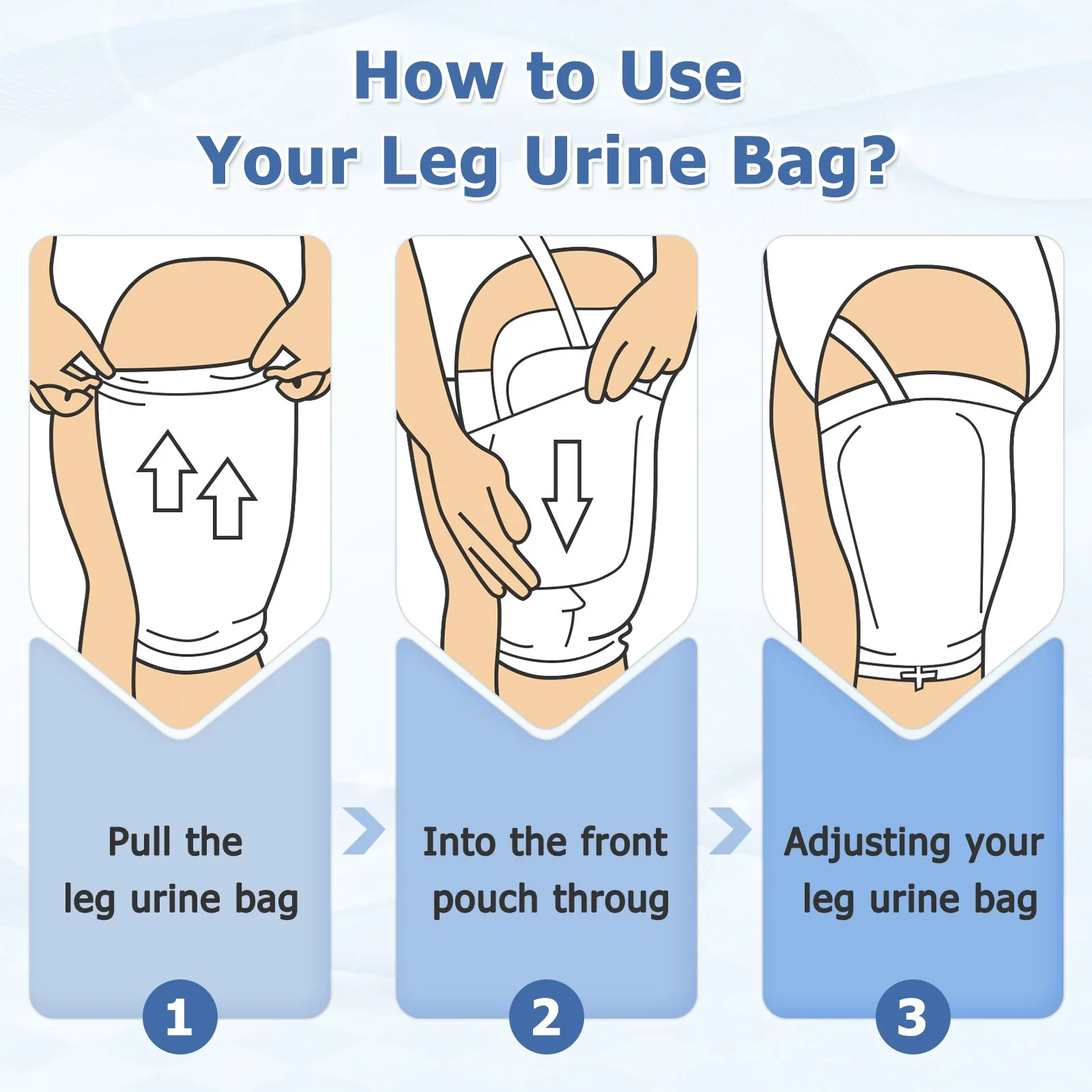
Drainage Bag Management: Emptying and replacing urine drainage bags while maintaining sterile techniques.
Catheter Securing: Ensuring the catheter is secured properly to prevent pulling or dislodgement.
Catheter Changes: Replacing indwelling catheters according to medical orders or if complications arise (e.g., blockages or leaks).
Monitoring, Assessment, and Complication Prevention
Urine Output Monitoring: Measuring and recording urine output, noting any changes such as color, odor, or consistency.
Infection Surveillance: Monitoring for signs of urinary tract infections (UTIs), including fever, pain, cloudy urine, or foul odor.
Catheter Function Check: Regularly assessing for blockages, leaks, or kinks in the tubing.
Bladder Health Assessment: Monitoring for signs of bladder discomfort, retention, or pain.
Complication Prevention: Implementing infection control practices, such as proper hand hygiene and routine catheter care.

Education, Safety, and Holistic Support
Participant and Caregiver Education: Providing instructions on proper catheter care, hygiene practices, and recognising signs of complications.
Emergency Preparedness: Educating caregivers on handling catheter blockages, leaks, or accidental dislodgement.
Psychosocial Support: Addressing emotional concerns related to catheter use, such as anxiety, discomfort, or embarrassment.
Promoting Dignity and Privacy: Ensuring catheter care is provided in a respectful and private manner.
Care Plan Development: Creating individualised care plans that outline catheter management protocols, follow-up schedules, and emergency contacts.
Trusted by people all over Australia
Everyone's welcome here
At Ability Aid Support, we believe in inclusivity, no matter the race, gender, age or beliefs, you’re welcome here and we vow to give everyone the same 5-star treatment.
We acknowledge Aboriginal and Torres Strait Islander peoples as the traditional custodians of the land we work on, and we pay ou rrespects to elders past, present and emerging.