

 REQUEST FREE CONSULTATION
Enteral Feeding Services
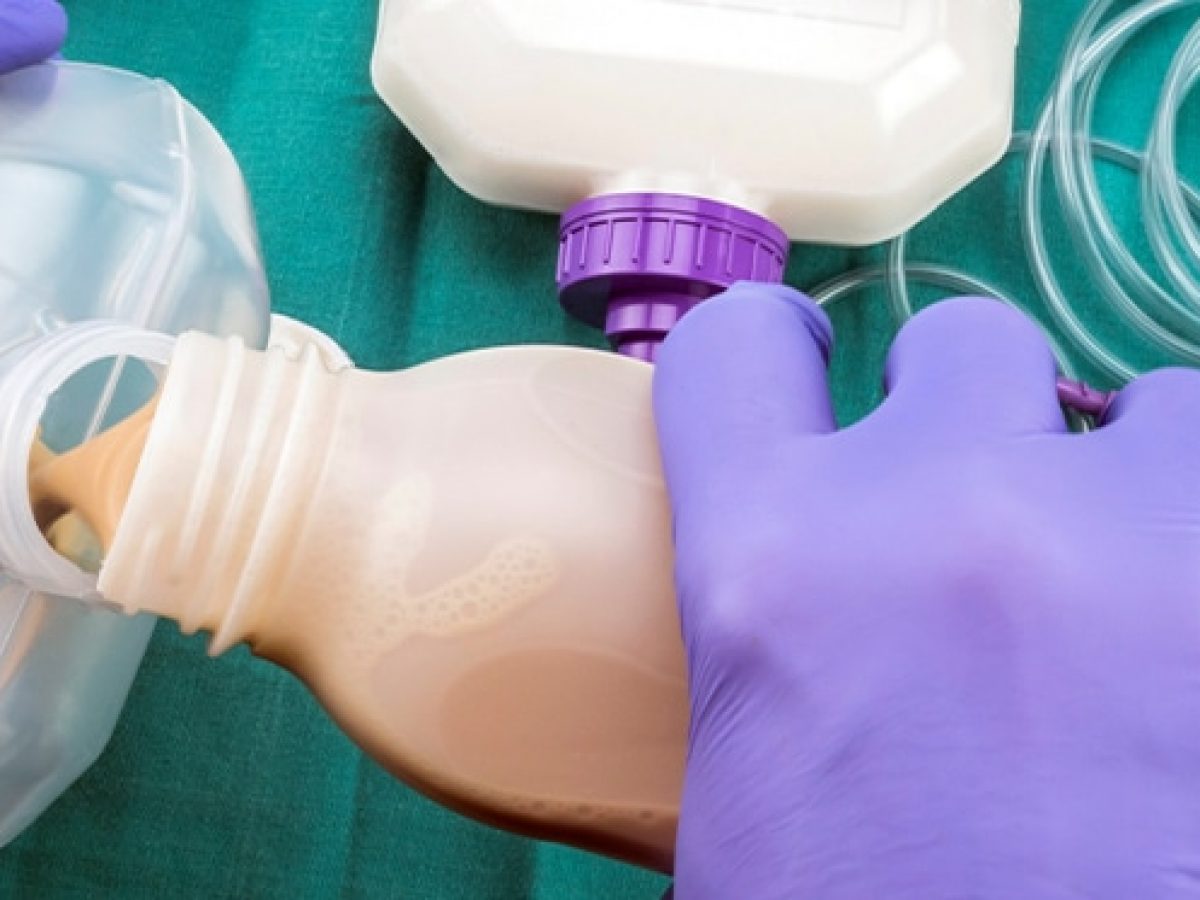
We provide essential home enteral feeding services to participants in Melbourne who rely on feeding tubes for nutrition. Enteral feeding involves delivering specialised care for participants who need nutritional support through a feeding tube, whether due to difficulty swallowing, serious illness, or surgery. The main objective is to ensure the participant receives the right amount of nutrition, hydration, and medications, all while preventing potential complications like infections or blockages. This care is offered using different types of feeding tubes, such as nasogastric (NG), gastrostomy (G-tube), or jejunostomy (J-tube), tailored to meet the individual’s needs.
Our enteral feeding services can be funded through NDIS funding or accessed privately. If you want to learn more about how we can support you, get in touch today to speak with our team or request a free consultation.


Tube Feeding Administration and Equipment Management
Our home enteral feeding service ensures that participants receive proper care and support for their feeding tubes.
- Feeding Formula Preparation: Carefully measuring and preparing the enteral feeds according to the prescribed nutritional plan to ensure the participant receives the correct nutrients.
- Feeding Administration: Administering the feeds using the appropriate method—whether via gravity, syringe, or pump—following the recommended schedule and rate for optimal nutrition delivery.
- Tube Flushing: Flushing the feeding tube both before and after each feeding or medication administration to prevent blockages and maintain proper function.
- Medication Administration: Safely providing medications through the feeding tube using correct techniques to avoid clogging and ensure effective absorption.
- Equipment Maintenance: Regularly cleaning and maintaining the feeding pumps, syringes, and tubing, following strict infection control guidelines to ensure the equipment stays safe and effective for use.
Monitoring, Complication Prevention, and Health Assessment
As part of our home enteral feeding service, we always look after the participants’ safety, comfort, and well-being during tube feeding.
- Tube Site Inspection: Regularly checking the stoma site (whether for G-tubes or J-tubes) for any signs of redness, swelling, or infection, ensuring the site remains clean and healthy.
- Monitoring for Tolerance: Observing the participant for any signs of feeding intolerance, such as nausea, vomiting, bloating, or diarrhoea, and adjusting feeding practices as needed to ensure comfort.
- Weight and Nutritional Status Tracking: Keeping an eye on the participant’s body weight, hydration levels, and overall health to ensure they are receiving the proper nourishment and staying well-hydrated.
- Aspiration Prevention: Ensuring the participant stays in an upright position during and after feeding (usually for 30–60 minutes) to reduce the risk of aspiration and ensure safe feeding.
- Emergency Preparedness: Educating caregivers and participants on how to handle accidental tube dislodgement and identifying the correct point of contact for any complications or emergencies.

Participant Education, Caregiver Training, and Emotional Support
We provide comprehensive training and emotional support to Melbourne participants and caregivers as part of our home enteral feeding services.
- Participant and Caregiver Training: Offering hands-on guidance to participants and their caregivers on how to properly administer feeds, clean feeding equipment, flush the tube, and identify potential complications. This empowers them to manage care with confidence
- Feeding Schedule Management: Giving clear instructions on feeding times, amounts, and any special dietary considerations, helping to create a consistent and stress-free feeding routine.
- Medication Guidance: Teaching the correct techniques for administering medications through the feeding tube, ensuring safety and efficacy with each dose.
- Psychosocial Support: Providing emotional support to help participants navigate the challenges of living with a feeding tube, addressing feelings of anxiety or isolation, and promoting mental well-being.
- Care Plan Development: Collaborating with dietitians and healthcare providers to design a personalised enteral feeding care plan tailored to the participant’s specific needs and goals.
Trusted by people all over Australia
Everyone's welcome here
At Ability Aid Support, we believe in inclusivity, no matter the race, gender, age or beliefs, you’re welcome here and we vow to give everyone the same 5-star treatment.
We acknowledge Aboriginal and Torres Strait Islander peoples as the traditional custodians of the land we work on, and we pay ou rrespects to elders past, present and emerging.