
 REQUEST FREE CONSULTATION
How to Access Government Support
Getting the right support starts with knowing what you’re eligible for and how to apply. From the NDIS to the Disability Support Pension, there are resources available to help you build a more independent and empowered life.

Key Points:
- The NDIS supports people with a permanent and significant disability by offering individualised plans and services.
- To apply for the NDIS, you must meet age, residency, and disability criteria and submit thorough documentation.
- The Disability Support Pension offers financial aid to those unable to work due to disability, with income, asset, and medical eligibility requirements.
- Additional assistance programs, grants, and advocacy services can provide further help with housing, equipment, and daily needs.
Summary:
Navigating government support systems like the NDIS can feel overwhelming, but knowing where to start makes a big difference. By understanding eligibility requirements and gathering the right documentation, individuals can access the supports they need to live more independently. Alongside the NDIS, programs like the Disability Support Pension and state-based services offer extra help with daily living costs and long-term wellbeing.
Outline:
- Introduction
- NDIS Eligibility and Application Process
- Other Financial Supports and Benefits
- Final Thoughts
Navigating government support systems can be daunting, but understanding the processes and knowing where to turn for help can make a significant difference in your quality of life. This article provides clear guidance on two crucial aspects: determining eligibility for the National Disability Insurance Scheme (NDIS) and exploring other financial supports, such as the Disability Support Pension (DSP) and additional assistance programs.
NDIS Eligibility and Application Process
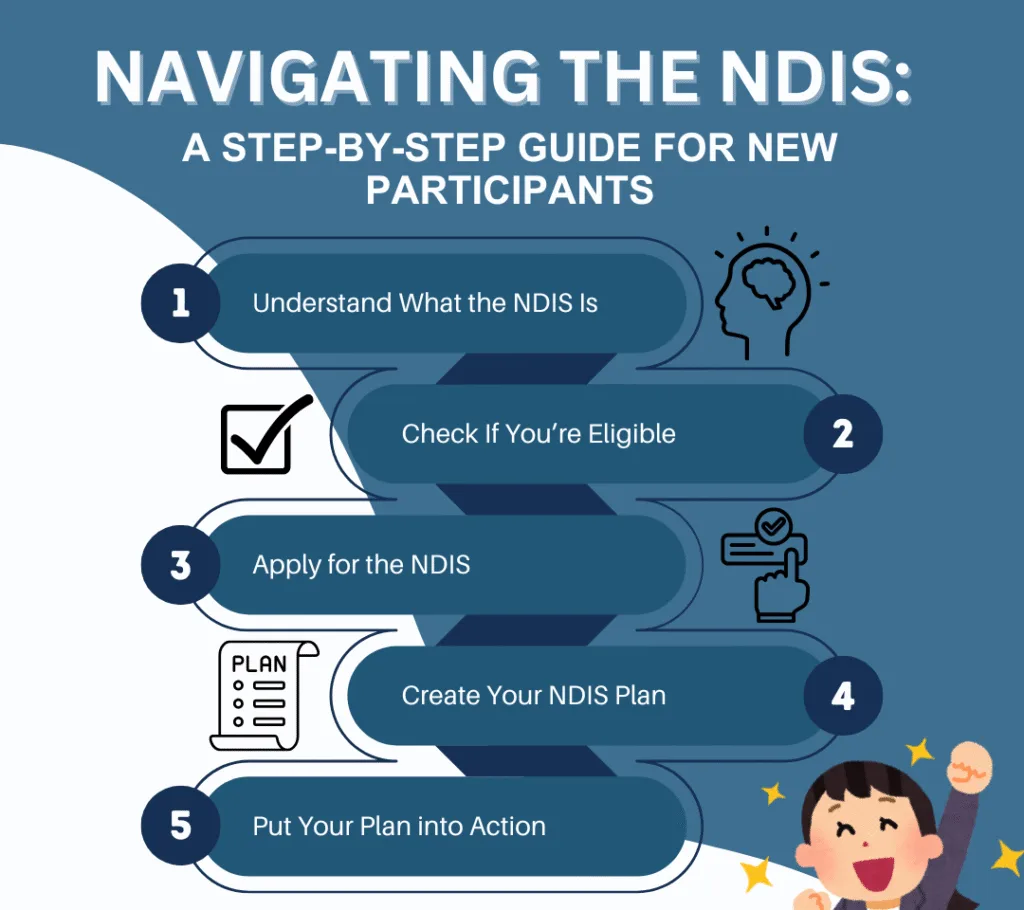
The NDIS is designed to provide tailored support for Australians with a permanent and significant disability. Understanding if you qualify and how to apply is the first step in accessing these valuable resources.
1. Who is Eligible for the NDIS?
- Age Requirement
Typically, you must be under 65 years old when you first access the scheme.
- Residency
You need to be an Australian citizen, permanent resident, or hold a Protected Special Category Visa.
- Disability Criteria
Your disability must be permanent and significantly impact your ability to perform everyday activities. This includes physical, intellectual, sensory, or psychosocial disabilities.
2. The Application Process
- Initial Inquiry and Pre-assessment
Start by visiting the official NDIS website or contacting an NDIS representative to gather information. They can help you understand if you might be eligible before you apply.
- Formal Application
Complete the Access Request Form, which includes providing detailed evidence of your disability. This might involve medical reports, assessments, and personal statements detailing how your disability affects your daily life.
- Assessment and Decision
Once your application is submitted, an NDIS representative will assess your eligibility based on the provided documentation. This process ensures that the supports are directed to those who need them most.
- Plan Development
If you are found eligible, the next step is working with an NDIS planner to create a personalized plan. This plan outlines the supports and services you need to achieve your goals.
3. Tips for a Successful Application
- Gather Comprehensive Documentation
Collect all necessary medical and psychological assessments, along with reports from healthcare professionals who understand your situation.
- Be Clear About Your Needs
When describing your disability, focus on how it impacts your daily life. Providing real-life examples can help the assessor understand your challenges better.
- Seek Support
Consider reaching out to advocacy organizations or support groups that can offer advice and help you navigate the application process.
Other Financial Supports and Benefits
While the NDIS is a major source of support, many Australians with disabilities also explore additional government benefits to help manage everyday expenses and improve their quality of life.
1. Disability Support Pension (DSP)
Purpose of the DSP
The DSP provides financial assistance to individuals who are unable to work due to their disability. It is designed to help cover living costs and provide a measure of financial stability.
Eligibility Requirements
To qualify for the DSP, you must meet both income and asset tests, in addition to having a disability that significantly restricts your ability to work. Medical evidence and assessments are critical components of your DSP application.
Application Process
Apply through Centrelink by submitting the necessary forms along with supporting documents such as medical records and employment history. The process involves a thorough assessment to ensure you meet all eligibility criteria.
2. Additional Financial Assistance Programs
State and Territory Programs
Many states and territories offer extra support services that can help with housing, transport, and other daily needs. Check with your local government for specific programs available in your area.
Special Grants and Subsidies
There may be grants available to help with modifications to your home, assistive technology, or specialized equipment. These grants often have their own eligibility requirements and application processes.
Community-Based Support
Local disability advocacy organiaations can be a valuable resource for learning about other financial supports. They can provide guidance on additional subsidies or programs that you might be eligible for based on your unique situation.
Final Thoughts
Accessing government support involves understanding multiple programs and knowing which ones are right for your needs. By carefully navigating the NDIS eligibility and application process and exploring additional financial supports like the DSP, you can build a comprehensive support network that enhances your independence and quality of life.
If you’re just beginning your journey, consider reaching out to local advocacy services or government support centers. They can provide personalised guidance and help ensure you have the resources needed to thrive.
Remember, being well-informed and proactive is the key to successfully accessing government support. Your needs are valid, and the available resources are there to help you lead a fulfilling life.
If you have questions or need support, get in touch with us today.
Related Articles
-
Why Personalised Disability Support Matters (Real Examples)
Complex bowel care can feel overwhelming, but the right support makes all the difference. This guide explains what it is,…
-
Top 5 Questions Families Ask Before Choosing a Support Worker
Complex bowel care can feel overwhelming, but the right support makes all the difference. This guide explains what it is,…
-
How to Get Started with NDIS (Step-by-Step for Beginners)
Complex bowel care can feel overwhelming, but the right support makes all the difference. This guide explains what it is,…
-
NDIS Support Services in Melbourne: What We Offer at Ability Aid Support
Complex bowel care can feel overwhelming, but the right support makes all the difference. This guide explains what it is,…